One of the most common messages I receive from new business owners is, “I need a logo.” Sometimes that is exactly what they need. But after a few questions, the real problem usually becomes clearer: their Instagram posts look unrelated, their proposals feel generic, their website uses different colours every month and nobody on the team knows which font to use.
That is not only a logo problem. It is a brand identity problem.
The two terms are often used as if they mean the same thing, especially when a business is just starting. They are connected, but they do very different jobs. Understanding the difference can save you from paying twice for design and help your business look consistent much sooner.
The simple difference between a logo and a brand identity
A logo is a recognisable mark that identifies your business. It may be a wordmark, symbol, monogram or a combination of those elements. Think of it as your name written in a distinctive visual voice.
A brand identity is the wider visual system around that mark. It includes the colours, typography, image style, layout rules, icons, patterns and design decisions that make every customer touchpoint feel like it belongs to the same business.
If your brand were a person, the logo would be the face. The identity would include the person’s clothes, tone, mannerisms and the way they present themselves in different rooms. A face helps you recognise someone, but it does not tell you the whole story.
What a logo can do for your business
A well-designed logo gives people something simple to remember. It can make a business look more established, separate it from obvious competitors and work as a useful signature on products, invoices, packaging and social media profiles.
What it cannot do is carry every communication on its own. A logo does not decide how a sales deck should look. It does not choose the right photography for a campaign or create hierarchy on a website. Even a brilliant logo can feel weak when it is surrounded by inconsistent design.
This is why asking a logo to “make the whole brand premium” often leads to disappointment. The logo is one important ingredient, not the entire meal.
What should a small-business brand identity include?
You do not need a hundred-page guideline when you are still testing an idea. You do need enough of a system to make everyday design decisions without starting from zero. A practical small-business identity will usually include:
- A primary logo and simpler variations for small or narrow spaces.
- A defined colour palette with usable colour values.
- Primary and supporting typefaces, plus basic hierarchy guidance.
- A direction for photography, illustration or graphic imagery.
- Supporting elements such as icons, patterns or shapes where useful.
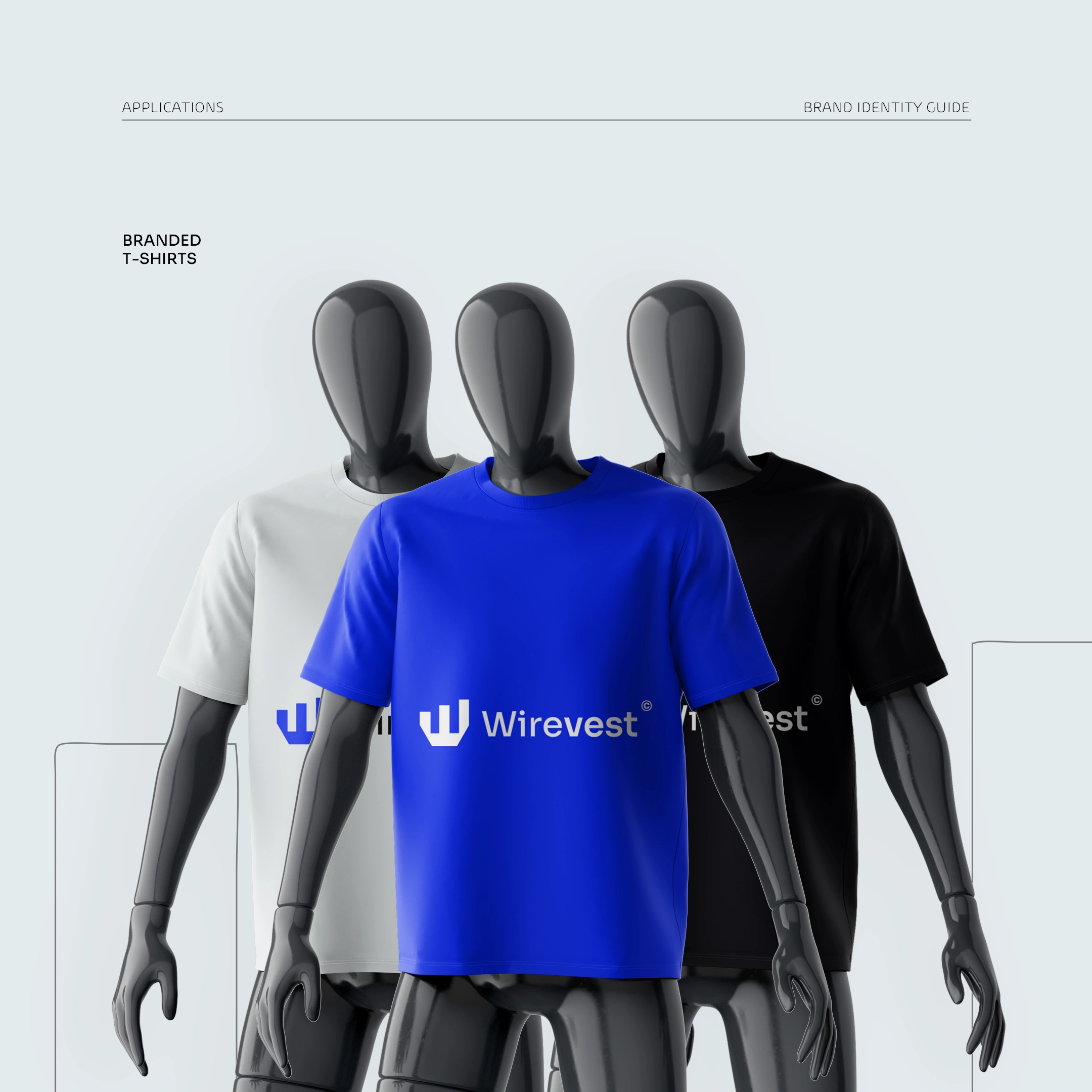
- Examples showing how the system works on real business materials.
- A short guide explaining correct and incorrect usage.
The exact deliverables should match the business. A restaurant may need menu and packaging rules. A consultant will probably get more value from proposal, presentation and social templates. An ecommerce brand needs an identity that survives product pages, ads, email and physical delivery.
When is a logo enough?
A logo-only project can make sense when you are validating a small idea, launching a temporary event or working with an extremely limited budget. In that situation, keep the mark simple and avoid pretending the business needs a huge identity system before it has customers.
However, even an early-stage business should make a few basic decisions about colour and type. Otherwise, the money saved on identity design is often spent later fixing inconsistent materials.
Once you are actively marketing, pitching to clients, selling products or hiring other people to create content, a logo alone becomes difficult to manage. Each designer or team member fills in the missing rules differently. Before long, the business has five shades of blue and three versions of the same flyer.
How to know when you need a complete brand identity
You probably need more than a logo when people cannot recognise your content without seeing your name, when your website and social pages feel like different companies, or when producing a simple design takes too many decisions.
It is also worth investing in an identity when your business is moving into a more competitive market. In Nigeria, customers often compare a local company with brands from anywhere in the world. Presentation is not a substitute for good service, but a coherent identity can reduce doubt before a customer has spoken to you.
The goal is not to look expensive for the sake of it. The goal is to look intentional, relevant and easy to trust.
What to invest in first if your budget is limited
Start with clarity. Know who the business serves, what it offers and why somebody should choose it. Without that foundation, design becomes decoration.
Next, build a compact identity around the places customers actually meet you. If most enquiries come through Instagram and WhatsApp, prioritise profile imagery, content templates and a professional proposal. If customers discover you through search, your identity needs to work particularly well across your website. If you sell physical products, packaging may deserve more attention than a presentation deck.
A good designer should help you choose, not simply send the longest possible list of deliverables. My own brand identity process starts with the business context because the right system should make daily communication easier, not leave you with attractive files you never use.
Do not choose between a logo and identity based on terminology
Design packages are named differently from one studio to another. One person’s “logo package” may include colours and typography; another person’s “brand identity” may include strategy, messaging and detailed guidelines. Read the deliverables and ask how each item will help your business.
The useful question is not simply, “How many logo concepts will I receive?” Ask whether you will have the assets and guidance required to present the business consistently after the project ends.
Your logo should be memorable, but your identity is what helps that memory grow across every interaction. If you are unsure which level of design your business needs, tell me where the brand is now. We can work out what will create real value before discussing a package.